

The Eclipse 2026 UK event was one of the most remarkable astronomical spectacles visible from Britain in recent years. On Wednesday, 12 August 2026, the Moon passed across the face of the Sun, creating a deep partial solar eclipse across the United Kingdom.
Although the UK did not experience a total solar eclipse, the event was unusually impressive. Depending on location, around 90% to 96% of the Sun was covered at maximum eclipse. The further south-west people were, the greater the coverage generally became.
For many people, it was the closest experience to a total solar eclipse that they had seen in Britain since the famous 1999 eclipse.
This guide explains everything you need to know about Eclipse 2026 UK, including the date, timings, visibility, London viewing, coverage across different parts of the country, safety advice and what made the event so special.
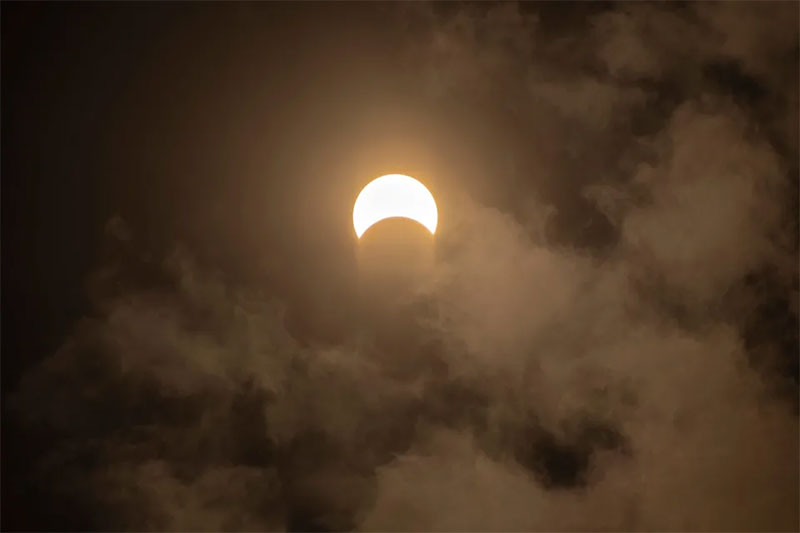
What Was Eclipse 2026?
A solar eclipse occurs when the Moon moves between the Earth and the Sun, temporarily blocking some or all of the Sun’s light from reaching particular parts of Earth.
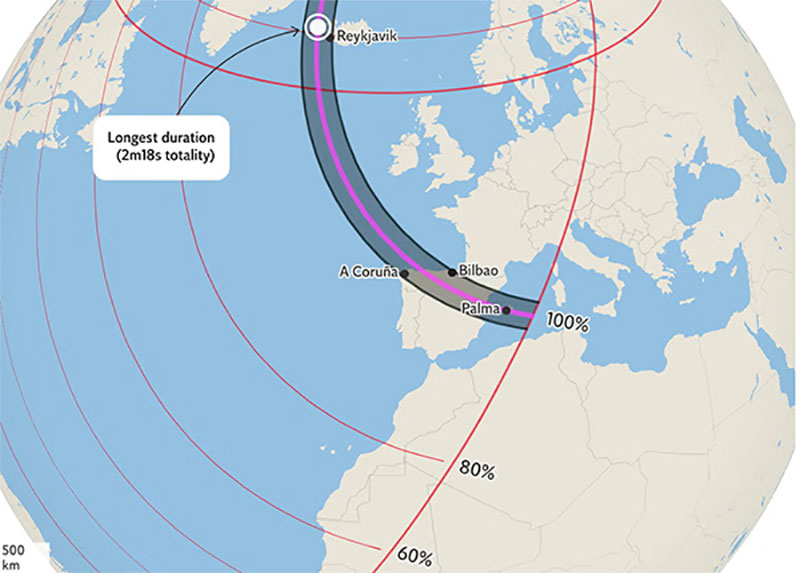
The 12 August 2026 solar eclipse was a total solar eclipse globally, but it appeared as a partial solar eclipse in the UK. Totality was visible in parts of Greenland, Iceland and northern Spain, while the UK was outside the path of totality.
Even so, the UK experienced a very deep partial eclipse, with approximately 90–96% of the Sun covered in different locations.
That made Eclipse 2026 UK a major event for astronomy enthusiasts, photographers, families and anyone interested in the night sky.
When Was Eclipse 2026 in the UK?
The Eclipse 2026 UK event took place on:
Date: Wednesday, 12 August 2026
Type: Partial solar eclipse in the UK
Time: Approximately 6pm to 8pm BST, depending on location
The exact timings varied across the country because the Moon’s position relative to the Sun was slightly different from one location to another.
In London, the partial eclipse began at around 6:17pm BST, reached maximum at approximately 7:13pm, and ended at around 8:06pm.
Eclipse 2026 UK Time
One of the most popular searches surrounding the event was “Eclipse 2026 UK time.”
The timing was slightly different depending on where people were watching.
| Location | Eclipse Begins | Maximum Eclipse | Eclipse Ends |
|---|---|---|---|
| Edinburgh & Glasgow | 6:08pm | 7:05pm | 8:00pm |
| Manchester & Liverpool | 6:13pm | 7:10pm | 8:03–8:04pm |
| Birmingham | 6:15pm | 7:11pm | 8:04pm |
| London | 6:17pm | 7:13pm | 8:06pm |
| Bristol & Cardiff | 6:17pm | 7:13pm | 8:07pm |
| Truro, Cornwall | 6:18pm | 7:16pm | 8:10pm |
These timings are based on local British Summer Time and show how the eclipse progressed across different parts of the UK.
How Much of the Sun Was Covered?
The amount of the Sun covered by the Moon varied considerably across the UK.
At maximum eclipse:
- London: around 91%
- Birmingham: around 92%
- Manchester: around 91%
- Bristol: around 93%
- Cardiff: around 93%
- Cornwall: around 95% or more in some locations
Overall, the UK experienced roughly 90–96% solar coverage, with the greatest coverage generally occurring towards the south-west.
This difference may sound small, but it can have a noticeable effect on the appearance of the Sun and the surrounding daylight.
Eclipse 2026 London
London was one of the most searched locations for the 2026 eclipse.
In London, the partial eclipse began at approximately 6:17pm BST. Maximum eclipse occurred at about 7:13pm, when roughly 91% of the Sun was obscured. The eclipse ended at approximately 8:06pm.
Because the Sun was relatively low in the western sky, having a clear view towards the west or west-north-west was important.
Tall buildings, trees and hills could block the Sun during the later stages of the eclipse.
Where in the UK Had the Best Eclipse Coverage?
The greatest coverage was generally found towards the south-western parts of the UK.
Cornwall was among the locations with particularly high coverage, reaching around 95% or more depending on the precise viewing location. Pembrokeshire in Wales also experienced approximately 94% coverage.
This meant that observers in south-western England and parts of Wales had a particularly impressive view of the eclipse.
However, the percentage of coverage was not the only factor that mattered.
A clear sky, an unobstructed western horizon and a suitable viewing location were equally important.
Why Was a Clear Western Horizon Important?
The 2026 solar eclipse took place while the Sun was moving lower towards the western horizon.
As the eclipse progressed, both the Sun and Moon became increasingly low in the sky.
The Royal Observatory Greenwich recommended finding a high location with a clear view towards the western horizon for people wanting to see as much of the eclipse as possible.
This was particularly important during the final stages of the eclipse, when buildings, trees and hills could easily block the view.
What Did Eclipse 2026 Look Like From the UK?
At maximum eclipse, only a relatively small bright portion of the Sun remained visible from many UK locations.
However, it is important to understand that 90% or 95% coverage is not the same as a total eclipse.
Even a small visible portion of the Sun remains extremely bright.
The UK therefore did not experience the complete darkness associated with totality. Instead, daylight became noticeably different, with some locations experiencing lighting conditions that could feel similar to a cloudy afternoon or the period around dusk.
Was Eclipse 2026 a Total Eclipse in the UK?
No.
The 12 August 2026 eclipse was partial across the UK.
The path of totality passed through other regions, including parts of Greenland, Iceland and northern Spain. Observers inside that narrow path saw the Moon completely cover the Sun and experienced totality.
For UK viewers, the event was still extremely significant because the level of coverage was unusually high.
Eclipse 2026 UK Map
An Eclipse 2026 UK map is useful for understanding how visibility and coverage changed across the country.
The amount of the Sun covered increased generally towards the south-west. Different cities therefore experienced slightly different eclipse magnitudes and timings.
For example, London experienced roughly 91% coverage, while Cardiff and Bristol were around 93%, and parts of Cornwall experienced around 95% or more.
A location-specific eclipse map can therefore be more useful than a single UK-wide percentage.
How to Watch a Solar Eclipse Safely
Solar eclipse safety is extremely important.
Never look directly at the Sun without proper solar viewing protection.
Ordinary sunglasses do not provide sufficient protection for viewing the Sun during an eclipse.
Looking directly through binoculars, telescopes or camera optical viewfinders without appropriate solar filtration can also cause serious and permanent eye damage.
Properly designed solar eclipse glasses or certified solar viewing equipment should be used.
If children are watching an eclipse, adults should supervise them carefully.
Can You Photograph Eclipse 2026?
Solar eclipses can produce spectacular photographs, but photography must also be approached safely.
A camera should be equipped with a suitable solar filter when photographing the Sun directly. The same applies to telescopes and other optical equipment.
A tripod can help keep the camera steady, particularly when using a long lens.
If you are photographing an eclipse, it is best to test your equipment before the event rather than trying a new setup for the first time during the eclipse.
What Made Eclipse 2026 Special for the UK?
The August 2026 eclipse was particularly significant because of its unusually high level of coverage.
The Royal Observatory Greenwich described it as the greatest coverage visible from the UK and Ireland since the 1999 solar eclipse.
For people who were too young to remember the 1999 eclipse, or who missed it entirely, the 2026 event provided another opportunity to experience a dramatic solar eclipse from Britain.
Although it was not total in the UK, seeing more than 90% of the Sun disappear behind the Moon was still an extraordinary astronomical experience.
What Happened During Eclipse 2026?
The eclipse began during the early evening.
In London, the Moon first began crossing the Sun at approximately 6:17pm. Maximum eclipse occurred around 7:13pm, before the Moon gradually moved away from the Sun and the event ended at approximately 8:06pm.
Across the UK, the maximum occurred between roughly 7:05pm and 7:16pm, depending on location. The eclipse ended for UK observers at different times, with the final stages continuing until around 8:10pm in parts of Cornwall.
What Was the Weather Like?
Weather played an important role in determining how much of the eclipse people could actually see.
Even when the astronomical conditions are perfect, clouds can completely hide the Sun.
The Met Office reported that viewing conditions varied considerably across the UK, with southern England and Wales generally offering better prospects than some northern areas and Northern Ireland.
This is a useful reminder that eclipse viewing depends on more than simply being inside the visibility zone.
Eclipse 2026 and the Perseid Meteor Shower
There was another reason astronomy fans had plenty to look forward to around the same time.
The Perseid meteor shower was also active in August, making the period around the eclipse particularly interesting for skywatchers.
After sunset and the eclipse, observers could continue watching the night sky for meteors, provided the weather and light conditions were favourable.
This combination made August 2026 an especially exciting period for astronomy enthusiasts.
What Is the Next Eclipse Visible From the UK?
The August 2026 eclipse was not the last eclipse visible from the UK.
According to Timeanddate’s UK eclipse calendar, a partial lunar eclipse is visible from the UK on 28 August 2026. A lunar eclipse is very different from a solar eclipse because it occurs when Earth passes between the Sun and Moon.
The August 2026 lunar eclipse will occur during the early morning in the UK.
Unlike a solar eclipse, a lunar eclipse can be viewed safely with the naked eye.
Eclipse 2026 UK FAQs
When was Eclipse 2026 in the UK?
The major solar eclipse took place on 12 August 2026.
Was Eclipse 2026 visible in the UK?
Yes. The UK experienced a deep partial solar eclipse.
What time was Eclipse 2026 in London?
In London, the eclipse began at approximately 6:17pm, reached maximum at about 7:13pm, and ended around 8:06pm BST.
How much of the Sun was covered in the UK?
Approximately 90% to 96%, depending on location.
Was Eclipse 2026 total in the UK?
No. Totality was not visible from the UK.
Which part of the UK had the greatest coverage?
The south-west, particularly parts of Cornwall, experienced some of the greatest coverage.
Could you look directly at Eclipse 2026?
No. Direct viewing of the Sun without proper solar protection can seriously damage your eyes.
When is the next lunar eclipse visible from the UK?
A partial lunar eclipse is visible from the UK on 28 August 2026.
The Eclipse 2026 UK event was a remarkable astronomical spectacle.
From London to Cornwall, Birmingham to Edinburgh and Cardiff to Manchester, people across the country experienced the Moon passing across the Sun.
Although the eclipse remained partial in the UK, the 90–96% coverage made it one of the most impressive solar eclipses visible from Britain in a generation.
The event also showed why location matters so much when watching an eclipse. The percentage of the Sun covered, the exact timing and even the quality of the view varied from one part of the UK to another.
For anyone who witnessed it, Eclipse 2026 was more than just a date on an astronomical calendar. It was a rare opportunity to see the relationship between the Sun, Moon and Earth unfold directly above the UK.
Eclipse 2026 UK: Date, Time, Map, Visibility & What Happened
More Eclipse & Astronomy Guides
- Eclipse 2026 UK: Everything You Need to Know
- Eclipse 2026 UK Time: Exact Timings by Location
- Eclipse 2026 London: Where and When to Watch
- Eclipse 2026 Map: UK Visibility Guide
- Solar Eclipse 2026: What Will You See?
- How to Watch Eclipse 2026 Safely: Eye Protection Guide
- Eclipse 2026 Weather: What UK Viewers Should Know
- Best Places to Watch Eclipse 2026 in the UK
- Eclipse 2026 Photography Guide: How to Photograph a Solar Eclipse
- What Is the Next Solar Eclipse After 2026? UK Dates & Times
Suggested
- Royal Observatory Greenwich
- Timeanddate Eclipse Information
- https://www.nasa.gov/
- European solar eclipses
- 2026 Total Solar Eclipse
editor – joge cruch