
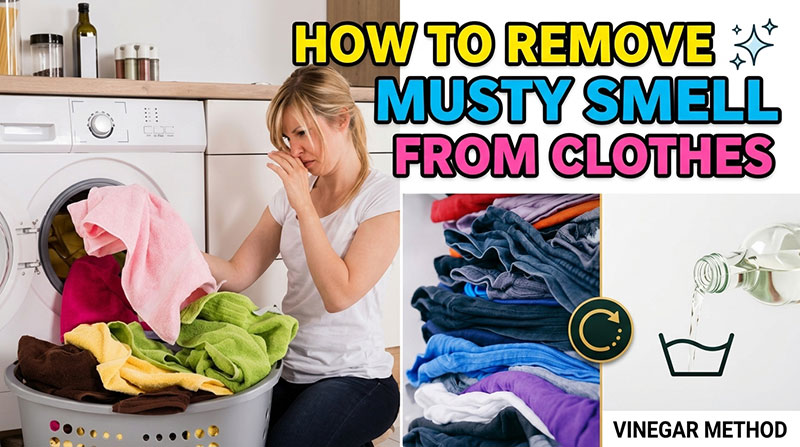
At 7:15 AM on a crisp Tuesday morning in Chicago, Marcus stood in his bedroom staring at his favorite navy blue polo shirt. He had an important group presentation at his university today at 9:00 AM and needed to dress accordingly. However, when he slid the freshly laundered shirt over his head, Marcus’s face contorted into one of utter dismay—he couldn’t get rid of the stale, sour odor clinging to the fabric.
Learning how to remove musty smell from clothes and eliminate those stubborn perspiration odors became a top priority for him right then and there.
“Let me guess,” said his roommate Chloe, who was walking by carrying her usual mug of steaming coffee. “You just pulled this shirt out of the laundry basket thinking it was still fresh?”
“I washed it two days ago!” Marcus replied, exasperatedly sniffing the shirt’s sleeve. “I could still smell that the minute I pulled it out of the dryer, and now once my body heat touches the fabric, it starts to smell like a damp locker room mixed with gym sweat.”
Chloe chuckled as she sipped her coffee. “That’s what happens when you use trapped bacteria,” she told him. “The standard laundry detergent won’t actually break down your organic body oils, instead, they’re covered over by perfume.”
“So once things get hot on that fabric, all this stinkiness will come back,” he nodded grimly.
“I’ll show you how to fix this in five minutes,” she offered brightly. “All you need is a bit of spray bottle and some plain vodka out of the cabinet.”
Do you ever feel overwhelmed by the amount of time you spend on daily tasks? Whether you’re a college student running to morning lectures or a busy professional juggling between work and gym sessions around the world (USA, UK, Canada, Australia), we all have our share of stress moments.
This ultimate guide helps you understand the science behind the stink and gives step-by-step solutions for keeping those nasty odors away from your closet!
Why are my clothes still smelling like sweat and mildew even after washing?
Investing time into doing laundry can be quite a hassle when you find out that your garments have this sour aroma of yours on them. It might seem frustrating at times, but understanding Why do clothes smell musty after washing or why you have armpit odor can help fix up your laundry process.
first step toward fixing your laundry routine.
| THE ODOR RECEPTION CYCLE |
| 1. Sweat & Sebum Secretion |
Apocrine glands release protein rich moisture into your fabric.
| 2. Bacterial Multiplication |
| Microbes consume oils, creating volatile organic compounds.|
| 3. Detergent Coating |
Excess soap & softeners seal bacteria into your synthetic mesh.
| 4. Thermal Reactivation |
The body heats up while wearing this item, which causes release of odors that have been trapped within it
The Science of Trapped Fabric Odors Human sweat produced by apocrine glands consists of various lipids and proteins that form an essential component of human biology. Although sweat is virtually odorless, the skin’s resident bacteria break down these organic compounds into volatile organic compounds (VOCs), including butyric acid and thioalcohols – many of which are responsible for unpleasant body odors.
Modern synthetic fabrics composed primarily of materials like polyester, nylon, and elastane all possess some degree of hydrophobicity – that is, they repel water. Hydrophilic properties allow fibers to absorb and retain moisture from the air, while hydrophobic properties encourage the attraction and retention of lipids and oils from our bodies onto their surface.
Standard laundry detergents clean off the bulk of dirt when dissolving in water. However, most commercial detergent formulations remove water-soluble dirt only, leaving behind the stubbornly adherent lipid residue that binds to woven synthetic fibers. Overusing Liquid Fabric Softeners One common cause of trapped odor in synthetic fabric clothing comes through the overuse of liquid fabric softeners that contain ingredients designed to coat fabric fibers with a slick layer of wax to soften fibers and reduce lint formation during laundering.
- This slick coating acts like a trapdoor for bacteria and body oils, providing them with perfect conditions to fester and produce foul-smelling VOCs.
- Using Water That Is Too Cold: Sure, you’re saving energy by using cold tap water but water temps under 60°F (or 15°C) don’t dissolve your solidified body oils and sweat salts.
- Overloading Your Washer’s Drum: If you pack all your clothes into your machine drum you prevent them from rubbing against one another which prevents the action of soap and water on deep-seated microbes.
- Letting Your Wet Clothes Sit in the Washer: Leaving your laundry soaking in the drum for more than 2 hours encourages multiplication of environmental mold and yeast spores responsible for sour mildew aromas.
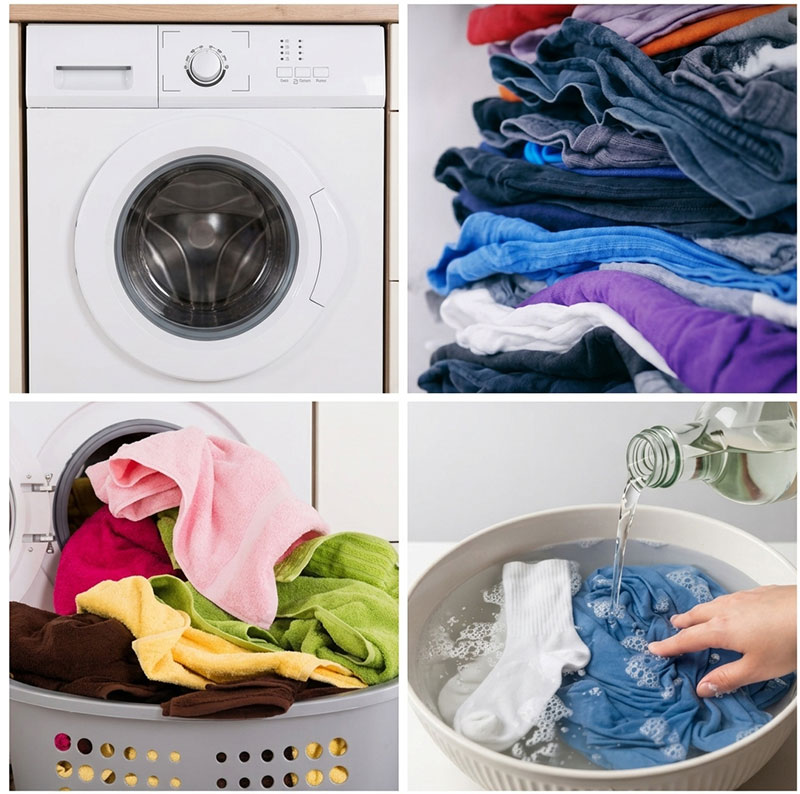
How to Get That Musty Smell Out of Clothes Without Washing (Fast Fixes for When You’re in a Hurry)
We’ve all been there. You pull a shirt out of the closet ten minutes before you need to walk out the door, and it’s got that damp, musty smell — the kind that clings to fabric after it’s been sitting folded a little too long, or didn’t quite dry all the way. A full wash-and-dry cycle just isn’t happening. Good news: you don’t actually need one. A few quick tricks can knock out that odor in under an hour, sometimes in as little as ten minutes.
Here’s a quick cheat sheet before we get into the details:
| Method | Works Best On | How Long It Takes |
|---|---|---|
| Vodka Spray | Blazers, sweaters, polos | 10–15 minutes |
| Freezer Trick | Denim, heavy knits, activewear | 30–45 minutes |
| Steam & Air Out | Cotton shirts, blouses | 15–20 minutes |
1. The Vodka Spray Trick
This one sounds a little odd the first time you hear it, but it’s a favorite among people who deal with wardrobe emergencies often — think actors, stage crews, anyone who can’t exactly toss a costume in the wash between shows. Plain, unflavored vodka works as a mild disinfectant. It goes after the bacteria causing the smell, then evaporates completely, taking the odor with it and leaving nothing behind — no boozy smell, no residue.
Here’s how to do it:
- Grab a clean spray bottle and fill it with plain, unflavored vodka — nothing under 80 proof, or it won’t have enough alcohol to do the job.
- Give the smelly spots a light mist. Focus on the areas that tend to hold onto odor most: underarms, cuffs, collars, anywhere fabric sits close to skin.
- Hang the garment somewhere with decent airflow and let it sit for 10 to 15 minutes.
- As the vodka dries, it pulls the odor-causing compounds out with it. What’s left is just clean, neutral fabric — no vodka smell, no funk.
2. The Freezer Method
This one’s old news to anyone who’s ever tossed their jeans in the freezer to avoid washing them (a habit denim lovers swear by, for what it’s worth). Cold temperatures don’t kill odor-causing bacteria outright, but they do stop them in their tracks, which is often enough to reset a garment that’s picked up a mildew-y smell from sitting damp too long.
Here’s the process:
- Fold up the dry item and seal it inside a clean plastic freezer bag.
- Pop it in the freezer and leave it for 30 to 45 minutes.
- Pull it out, give it a good shake to loosen things up, and let it warm back to room temperature before you put it on.
Both of these tricks are meant to buy you time, not replace an actual wash. Think of them as damage control for those “I need this to work right now” moments — great in a pinch, but your clothes will still want a real cycle eventually.
How to Get Rid of Sweat and Mildew Smells Using Stuff You Already Have in Your Kitchen
Sometimes a smell survives the wash. You run a load, pull everything out expecting fresh laundry, and there it is — that faint sour or musty note still hanging around in the fibers. That usually means the odor has worked its way past what regular detergent can handle, and it’s time to bring in some backup. Two pantry staples do the job better than almost anything on the store shelf: white vinegar and baking soda.
They work in opposite ways, which is exactly why they’re such a good team:
- Distilled white vinegar is acidic. It cuts through detergent buildup and breaks down the oily residue sweat leaves behind.
- Baking soda is alkaline. It neutralizes acidic odors and soaks up leftover moisture.
The Vinegar Soak
If you’ve ever wondered how to get that musty smell out of clothes with vinegar, this is the method. The acetic acid in vinegar dissolves detergent film, lowers the pH of the water, and breaks apart stubborn body oils clinging to the fabric.
You’ve got two ways to use it:
Pre-soak: Fill a basin with cold water, stir in a cup of distilled white vinegar, and let your clothes sit for 30 to 60 minutes before you toss them in for a normal wash.
In the wash: Pour half a cup to a full cup of white vinegar into the fabric softener compartment of your machine. Just don’t pour it in with the detergent directly — acid and detergent cancel each other out, so you lose the benefit of both.
One thing worth knowing: skip the industrial-strength stuff. Anything above 6% acetic acid is too harsh for spandex or elastane — think leggings, sports bras, anything stretchy — and can wear down the elastic over time. Regular 5% food-grade white vinegar is all you need.
The Baking Soda Rinse
Baking soda — sodium bicarbonate, if you want the technical name — is alkaline, so it’s great at absorbing the acidic, sour smell that comes from sweat and dampness. If vinegar didn’t fully knock out a stubborn mildew smell, baking soda is a solid second line of defense, especially for gym clothes.
Here’s how to use it:
- Add half a cup of baking soda straight into the empty drum before you load your clothes.
- Add your usual amount of liquid detergent.
- Run a warm cycle. The baking soda softens hard water along the way, which actually helps your detergent clean better too.
Getting That “Wet Towel” Smell Out for Good
Towels, hoodies, and heavier sweatpants are notorious for this one — their fibers are thick enough to trap moisture, and once that happens, the damp smell sets in fast. And it doesn’t stay contained; a damp towel sitting in the hamper can pass that smell to everything around it.
Sunlight is your best friend here. UV rays are a genuinely effective natural disinfectant — they break down the organic compounds and microbes causing the odor.
- Hang damp or freshly washed clothes outside on a line, in direct sun.
- Turn them inside out first if they’re colored, so the sun doesn’t fade them.
- Let them hang until they’re completely dry and the breeze has had a chance to move through the fabric.
A Few Habits That Keep Odors from Coming Back
A little prevention goes a long way here:
- Don’t leave clothes sitting in the machine. Damp laundry left in a closed drum for more than half an hour starts to smell, and fast.
- Give your washing machine a wash too. Once a month, run an empty hot cycle with 2 cups of white vinegar (or a washer cleaning tablet) to clear out mold and detergent gunk from the rubber door seal.
- Give clothes room to breathe in the closet. A packed closet traps stagnant air. Leave roughly an inch between hangers.
- Never ball up sweaty gym clothes in a bag. Hang them up to dry first — tossing them straight into a dark hamper is basically a science experiment for bacteria.
A Few Common Questions
Why do my gym clothes smell fine dry, but reek the second I put them on? That’s your body heat waking up bacteria and oils trapped deep in the synthetic fibers. The smell was there the whole time — it just needed warmth to release again.
Can I use vinegar and baking soda together in the same load? Not at the same time, no. One’s an acid, one’s a base — mix them and you basically get saltwater, with neither doing its job. Use baking soda in the main wash and save vinegar for the rinse.
Is vinegar safe on everything? It’s fine for cotton, linen, denim, and most synthetic blends. Just don’t soak silk, lace, or rayon in it for very long — those fabrics don’t hold up well to prolonged acid exposure.
What about dry-clean-only clothes? The vodka trick works well here. Mix plain vodka with an equal amount of water, mist the underarm areas, and hang the garment somewhere breezy.
Does cold water actually get rid of body odor? It saves energy, but it’s not great at breaking down hardened body oils and sweat salts. For heavily worn gym clothes, warm water — around 100°F — with an enzyme detergent or a vinegar rinse will do a much better job.
The bottom line: heavily scented fabric softener doesn’t actually solve odor problems, it just masks them for a while. If you want clothes that are genuinely fresh — not just perfumed — vinegar, baking soda, and a bit of sunlight will get you there by dealing with the source instead of covering it up.
A Season-by-Season Plan for Keeping Your Workout Clothes From Smelling Terrible
If you work out regularly, you already know the problem: at some point, no matter how often you wash them, your gym clothes start holding onto a smell that just won’t quit. That’s not bad luck — activewear fabric is built to wick moisture, which unfortunately also means it’s very good at trapping sweat, oils, and the bacteria that feed on them. The fix isn’t one big deep-clean. It’s a handful of small habits spread across the year. Here’s how to break it down season by season.
Spring: Strip Out the Winter Buildup
By spring, your gear has usually absorbed months of salt, sweat, and heavier fabric softener residue — plus you’re about to start sweating a lot more as workouts move outdoors. Time for a reset.
- Do a full fabric strip. Fill a tub with warm water, a cup of distilled white vinegar, and half a cup of laundry booster like washing soda. Let your gear soak for 2 to 4 hours, rinse well, then line dry. This breaks down oils that have basically solidified in the fibers over winter.
- Check your stretch fabric. Look closely at the spandex or elastane seams for signs of wear. And go easy on hot water and fabric softener going forward — both quietly wreck the stretch over time.
- Switch detergents if yours isn’t built for this. Look for one with enzymes like lipase and protease. Those specifically target and break down body oils and sweat proteins, which regular detergent doesn’t handle as well.
Summer: This Is Peak Odor Season
Heat and humidity are exactly what mold and mildew spores want, and a gym bag full of damp clothes is basically an invitation.
- Never let sweaty clothes sit balled up. Even if you’re not washing them right away, hang them on a rack the moment you get home. A gym bag is not a storage solution.
- Use the sun. Turn dark or colored gear inside out and dry it outside in direct sunlight. UV rays are a completely free, surprisingly effective way to kill off odor-causing bacteria.
- Add vinegar to every summer wash. A half cup to a cup in the fabric softener dispenser, every load. It heads off that sour, damp smell before it has a chance to set in.
Autumn: Give the Machine Itself Some Attention
This is the season people forget about — not the clothes, but the washer doing the cleaning.
- Deep clean your washing machine. All that detergent and body oil residue doesn’t just disappear; it builds up in the drum and rubber gasket. Run an empty hot cycle with 2 cups of white vinegar or a washer cleaning tablet.
- Wipe down the door seal and lint filter. Front-loaders especially love to hide black mold in that rubber gasket. A vinegar-soaked cloth handles it.
- Reorganize your closet for airflow. Leave about an inch of space between hangers. Crowded closets trap stale air, and that air ends up sitting right in your technical fabrics.
Winter: Manage Moisture Indoors
Once outdoor sun-drying is off the table, you have to manage humidity a different way.
- Dry clothes near airflow, not in a closed room. Set up drying racks near a dehumidifier or a cracked window, and try to keep indoor humidity under 50%.
- Use moisture absorbers in your drawers. Hanging calcium chloride pouches or activated charcoal bags in your activewear storage soaks up excess moisture before it becomes a problem.
- Pre-treat before you pack things away. Mist underarms and other high-friction spots with a 50/50 mix of plain vodka and water before hanging items up for extended storage. It keeps lingering bacteria from multiplying while the clothes just sit there.
A Few Rules That Apply All Year
- Stick to cool or warm water. Anything above 104°F (40°C) is too hot for synthetic performance fabric unless the care label says otherwise.
- Skip fabric softener entirely. It might smell nice for a wash or two, but it coats synthetic fibers in a silicone layer that traps body oil and odor in permanently.
- Air dry, or tumble dry on low. High heat “bakes in” odors and wears down the stretch — low heat or air drying keeps the fabric performing the way it’s supposed to.
American Cleaning Institute – Fabric Care Basics
U.S. Environmental Protection Agency – Safer Choice Cleaning
How to remove musty smell from clothes (5 Proven Home Remedies)
How to Remove Sweat Smells From Clothes (5 Easy Hacks)
how to get white clothes white again -3 Golden Rules for All Fabrics